Wholecut Oxfords stand as the pinnacle of men’s formal footwear—sleek, timeless, and inherently luxurious. Yet their higher price tag often leaves shoppers puzzled: why do they cost more than other Oxford styles? The premium isn’t just a “single piece of leather” gimmick; it stems from strict material standards, labor-intensive craftsmanship, technical challenges, and uncompromising attention to detail. Below, we break down the key factors that make wholecut Oxfords a costly yet worthwhile investment.
1. The “Top 10%” Leather Requirement: No Room for Compromise
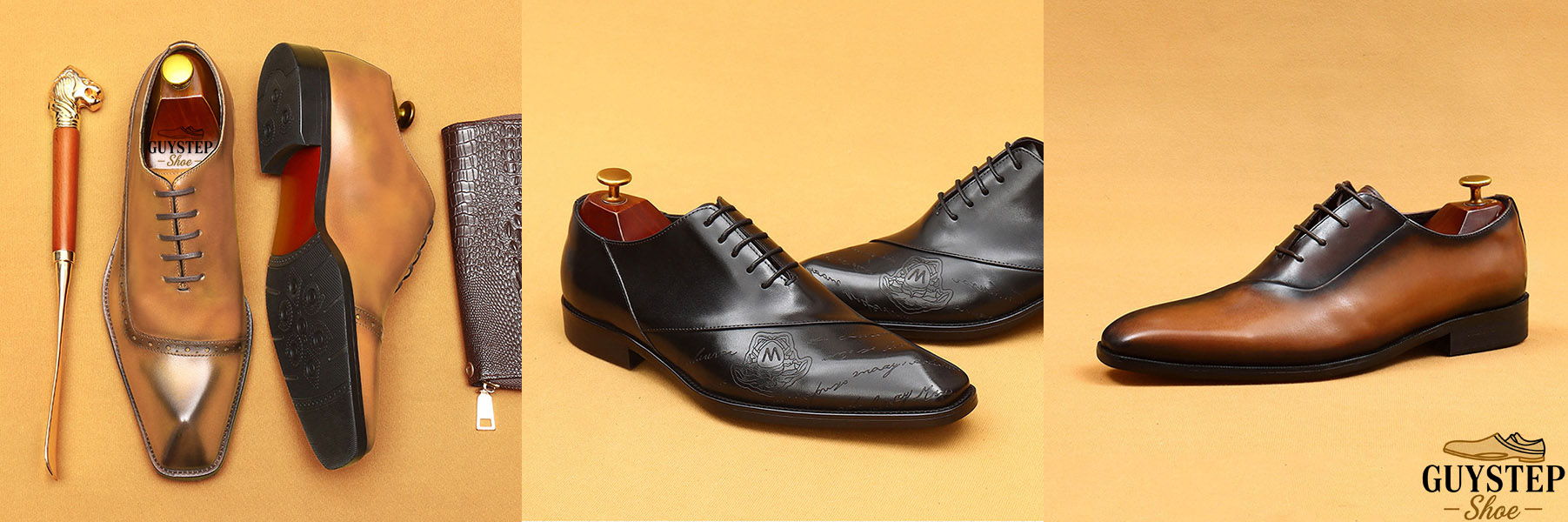
Leather quality is the foundation of wholecut Oxfords’ premium. Unlike cap-toe or wingtip styles that hide flaws in seams or broguing, wholecuts are a “blank canvas”—every blemish or uneven grain is visible. Shoemakers can only use the absolute best 10% of a hide—sections free of scars, thickness inconsistencies, and with uniform fiber density for durability and comfort.
A typical cowhide yields 50-60 square feet of leather, but only 5-6 square feet meet wholecut standards. This premium leather must be thick enough to hold shape without seams, yet supple to fit the foot—a hard balance to achieve. As a result, base material costs are 30-40% higher than regular Oxfords.
2. Handcraftsmanship: Machines Can’t Replace Human Expertise
Mass-produced Oxfords rely on automation, but wholecuts demand extensive handwork:
• Precision Cutting: Master clickers study the hide’s grain to ensure natural flexibility, adjusting for size (larger sizes need bigger flaw-free sections). This process takes 2-3 times longer than multi-piece cutting, with no room for error—only seasoned artisans handle it.
• Hand-Lasting: Without seams to anchor leather, machine lasting causes uneven tension or creases. Luxury brands use hand-lasting, where artisans stretch and smooth the leather incrementally. A single wholecut takes 1.5-2 hours to last (vs. 30 minutes for cap-toes), requiring deep knowledge of leather and foot anatomy for a snug, long-lasting fit.
3. Seamless Design: Technical Challenges
The “no seams” elegance of wholecuts is also their biggest technical hurdle. Seams in regular Oxfords provide structure and distribute tension—wholecuts lack this, so shoemakers compensate with:
• Reinforced Components: Thicker heel counters and high-quality full-grain linings add stability (and cost) to prevent shape loss.
• Precision Pattern Making: Months of testing refine patterns to account for leather stretch—even minor miscalculations cause poor fit or creasing.
4. Meticulous Finishing Touches
A wholecut’s flawless surface requires careful finishing:
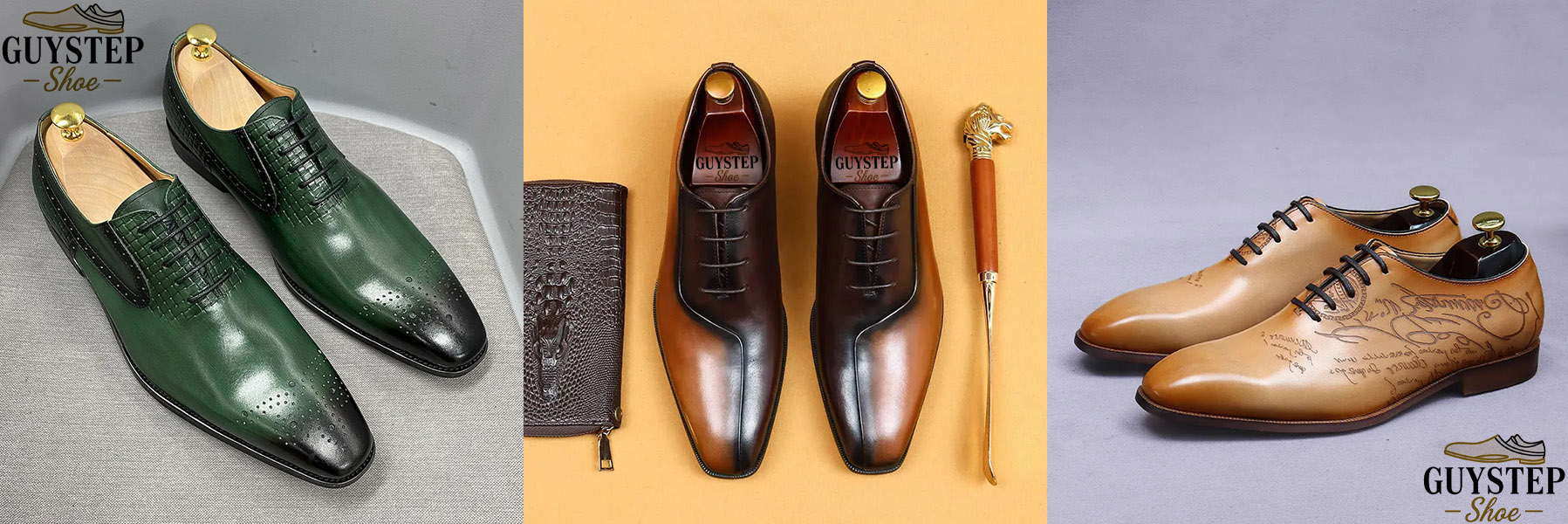
• Hand-Polishing: Artisans apply multiple wax coats, buffing between layers for a uniform mirror shine—nourishing leather while hiding no flaws.
• Edge Dyeing & Sealing: Raw cut edges are hand-dyed to match the shoe and sealed to prevent fraying, demanding precise craftsmanship.
5. Brand Heritage & Quality Assurance
Premium pricing includes brand heritage and strict quality control. Trusted luxury shoemakers refine generational techniques, with rigorous checks for flaws, fit, and finishing—up to 15% of productions are rejected, passing costs to consumers.
Wholecuts are designed as heirloom pieces, lasting 10+ years with proper care. Unlike fast fashion, they’re an investment in durability and timeless style—their patina and comfort only improve with wear.
In short, wholecut Oxfords’ cost reflects excellence at every step: elite leather, skilled handwork, technical ingenuity, and meticulous finishing. For men valuing quality, elegance, and longevity, the premium is fully justified—it’s the cost of owning the best.